Best Horror Lighting Setups for Indie Films
How to Create Dark Cinematic Atmosphere Without a Hollywood Budget
Horror lighting is one of those things people massively overcomplicate.
A lot of beginners think cinematic horror means giant expensive lights, giant crews, and giant studios. It doesn't.
Some of the creepiest shots I've ever seen came from practical lamps, cheap RGB lights, flashlights, fog, shadows, and controlled darkness. That's the real secret.
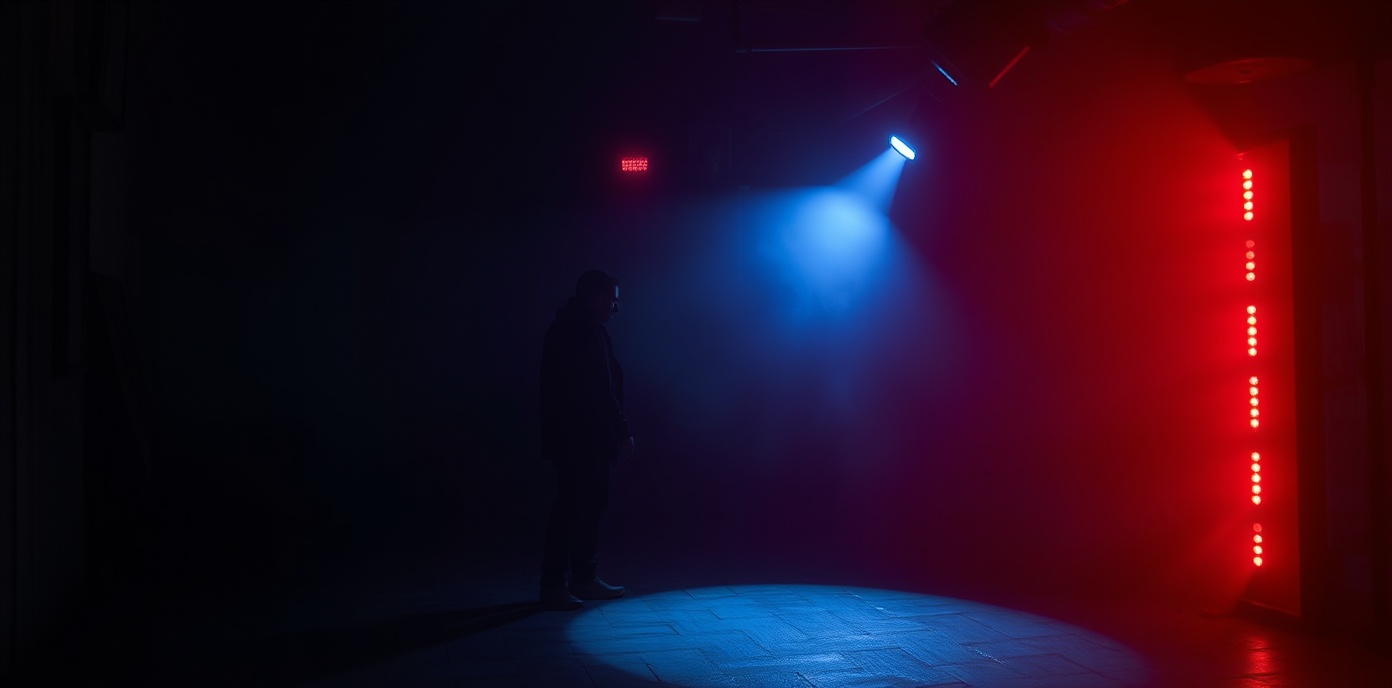
Horror isn't about making everything visible. It's about making people FEEL uncomfortable. That comes from contrast, atmosphere, silhouettes, texture, movement, shadows, and uncertainty.
Honestly? Darkness is one of the best tools horror filmmakers have. And a lot of low-budget filmmakers ruin atmosphere by trying to light everything too evenly. That instantly kills mood.
Shadows Matter More Than Brightness
One of the biggest mistakes beginners make is over-lighting scenes. Everything becomes flat, clean, overly visible, and safe-looking. That kills tension fast.
Good horror lighting usually hides information. You WANT corners disappearing into darkness, silhouettes, partial visibility, texture, and shadows swallowing parts of the frame. That's where tension lives.
Your audience's imagination is usually scarier than whatever you fully show them.
Practical Lighting Instantly Feels More Cinematic
Some of the best horror lighting setups come from lights that naturally exist inside scenes. Think lamps, TVs, neon signs, hallway lights, flashlights, candles, emergency lighting, and computer screens.
That's called practical lighting. And honestly? It makes low-budget films instantly feel more believable. Because instead of looking like "a movie set," the scene feels like a real environment. That realism matters in horror.
When viewers accept the lighting naturally inside the scene, tension builds automatically. That's horror filmmaking at its best.
RGB Lights Are Horror Filmmaking Gold
Cheap RGB lights are honestly one of the best purchases an indie horror filmmaker can make. You can completely change the emotional tone of a scene with color.
Color Creates Emotion
- Red lighting: feels dangerous, aggressive, hellish, intense
- Blue lighting: feels isolated, cold, eerie
- Green lighting: feels sick, unnatural, disturbing
And because RGB lights are small now, you can hide them almost anywhere. That's where things start getting cinematic.
Aputure MC RGB Lights
These little lights are monsters for horror filmmaking. You can tape them behind furniture, hide them in hallways, place them under beds, fake TV lighting, create flickering effects, and simulate emergency lighting.
And because they're portable, they work incredibly well for indie filmmaking where you're constantly adapting locations. These lights help create atmosphere, separation, depth, practical glow, and cinematic color contrast. That's what makes scenes feel expensive.
View Gear →Fog Makes Cheap Locations Look Better
This is one of the biggest tricks in horror filmmaking. Fog instantly adds depth, texture, atmosphere, visible light beams, and cinematic separation.
Without haze, lighting can look flat. Add atmosphere and suddenly shadows deepen, backgrounds separate, practical lights glow, and scenes feel larger. That's why horror films use smoke constantly. Atmosphere helps hide low-budget limitations.
Portable Fog Machines Are Worth It
Honestly, fog machines might be one of the best low-budget filmmaking tools period. Especially for horror. You can turn a random garage, an empty hallway, a cheap room, or a forest trail into something cinematic almost instantly.
Portable fog machines are especially useful because you can control the atmosphere instead of flooding entire rooms uncontrollably. That matters a LOT for indie shoots.
Check Price →Moonlight Lighting Is One of the Best Horror Looks
Fake moonlight is everywhere in horror filmmaking. And honestly? It works because blue-toned side lighting instantly creates mood.
The key is: don't blast the entire room. Instead, light through windows, light from angles, let darkness exist, and allow shadows to dominate parts of the frame. That contrast creates tension.
A lot of cinematic horror comes from what you DON'T fully reveal. Mystery and shadows are more effective than bright visibility.
Red Emergency Lighting Always Looks Cool
There's a reason horror films constantly use red alarms, emergency lights, warning lights, and industrial glows. Because red lighting instantly creates tension psychologically. It feels dangerous, urgent, and unstable.
And honestly? Cheap RGB lights can recreate this look incredibly well now. Especially combined with haze.
Budget RGB Lights
You don't need expensive cinema lighting to create professional horror atmosphere. Budget RGB lights are actually one of the best learning tools because they force you to experiment with color contrast, practical glow, and atmospheric effects.
These affordable lights teach the fundamentals of creative horror lighting without breaking the bank.
View Gear →Flashlights Are Underrated Horror Tools
Seriously. Flashlights create moving shadows, unstable lighting, directional tension, and natural contrast. That's why found-footage horror uses them constantly. The limited visibility creates fear automatically.
And they're practical. Meaning the audience accepts the lighting naturally inside the scene. That's important.
Lighting Movement Matters Too
Static lighting can sometimes feel dead. Subtle movement changes everything. Examples: flickering practical lights, moving flashlight beams, passing headlights, TV flicker, swinging lights, and candle movement.
Those tiny lighting shifts make scenes feel alive. Especially in horror where tension comes from uncertainty and subtle environmental changes.
DJI RS3 Mini Gimbal
Smooth, intentional camera movement enhances horror atmosphere. The gimbal enables controlled tracking shots, walking movements, and cinematic motion that would feel rough and amateur handheld.
Lightweight design means you can actually carry it on location instead of leaving it at home.
Check Price →Horror Lighting Is More About Emotion Than Visibility
That's probably the biggest thing people misunderstand.
Horror lighting is emotional lighting. You're not trying to perfectly expose everything. You're trying to create tension, uncertainty, discomfort, atmosphere, and dread.
That's different from normal filmmaking.
A lot of low-budget horror films fail because they light scenes too safely. Darkness is your friend. Shadows are your weapon. Use them intentionally.
My Honest Advice for Indie Horror Filmmakers
Stop chasing expensive gear first. Learn shadow placement, practical lighting, atmosphere, fog control, color contrast, and silhouette framing. Those skills matter WAY more than giant lighting packages.
Some of the most cinematic horror shots happen because filmmakers creatively used darkness, practical lights, atmosphere, and limited visibility. That's the real magic.
And honestly? Limitations sometimes make horror BETTER because they force creativity instead of overexposing everything.
The gear helps. But atmosphere is what people remember. That's where horror actually lives.
Related Gear
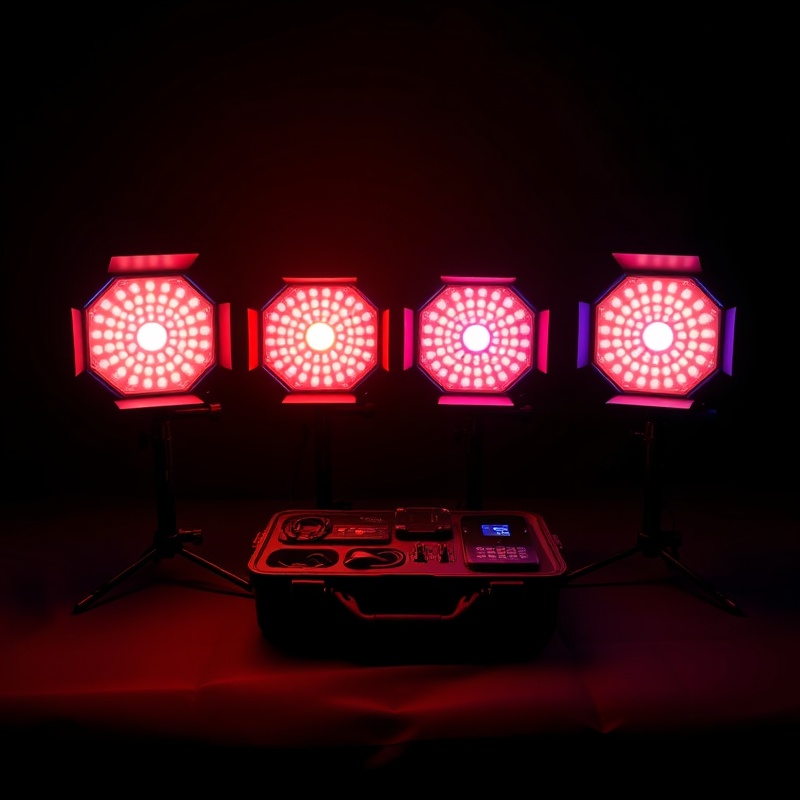
Aputure MC 4-Light Travel Kit
Portable RGB LED lights you can hide anywhere for cinema horror lighting.
View on Amazon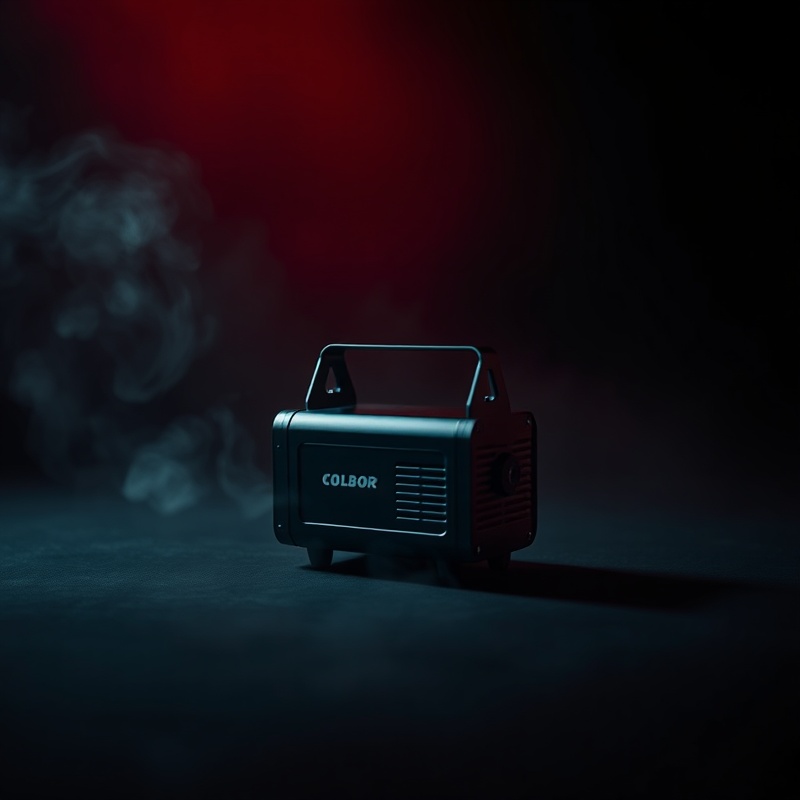
COLBOR CF5 Portable Fog Machine
Handheld fog machine for instant atmospheric effects and mood creation.
View on Amazon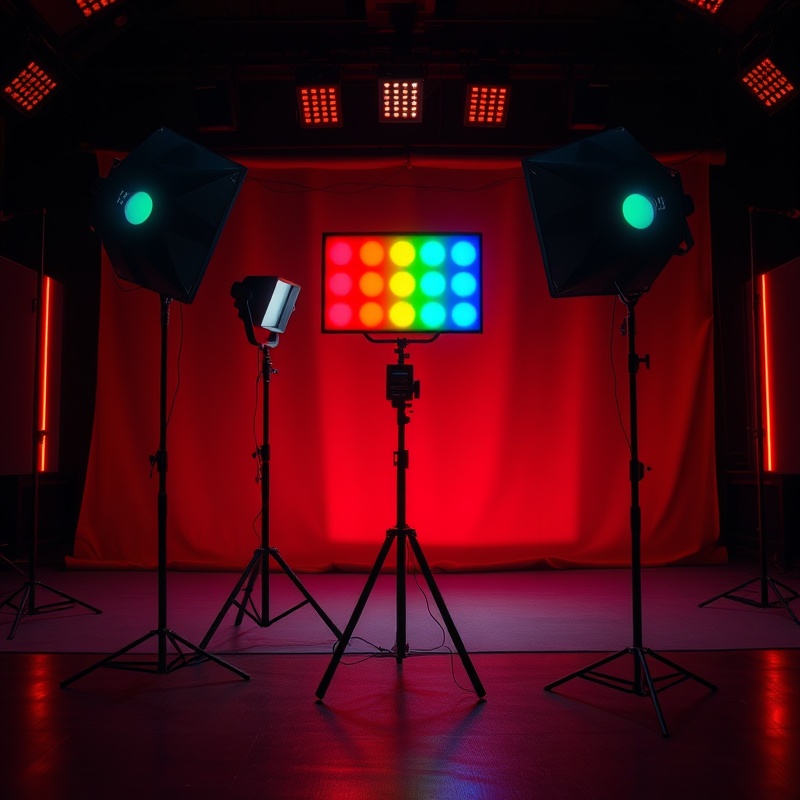
Torjim RGB Photography Video Lighting
Budget-friendly RGB lights for color contrast and practical lighting effects.
View on Amazon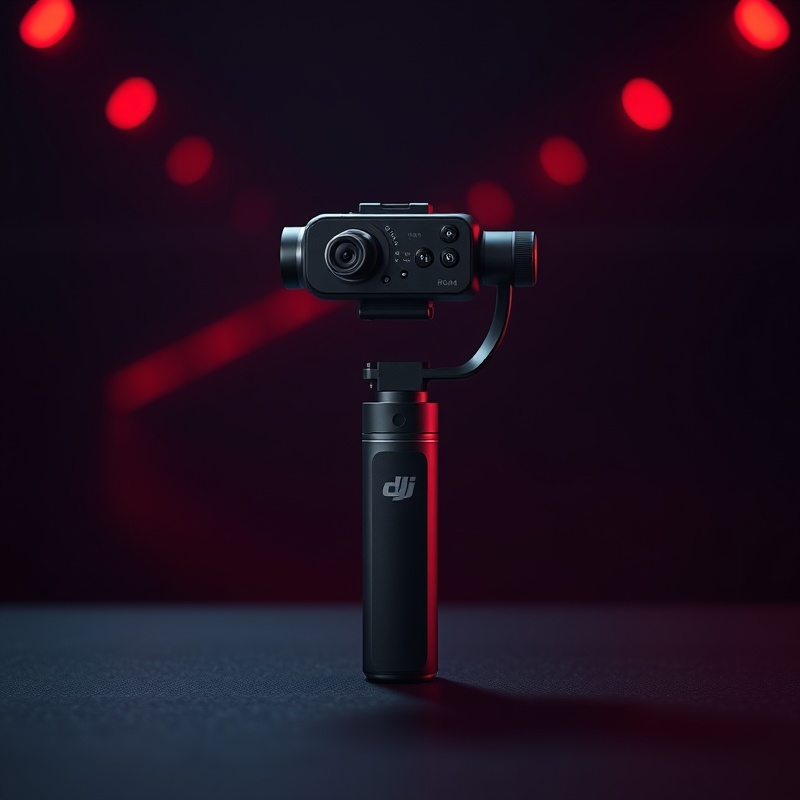
DJI RS 3 Mini Gimbal
Lightweight stabilizer for smooth cinematic horror filmmaking movement.
View on Amazon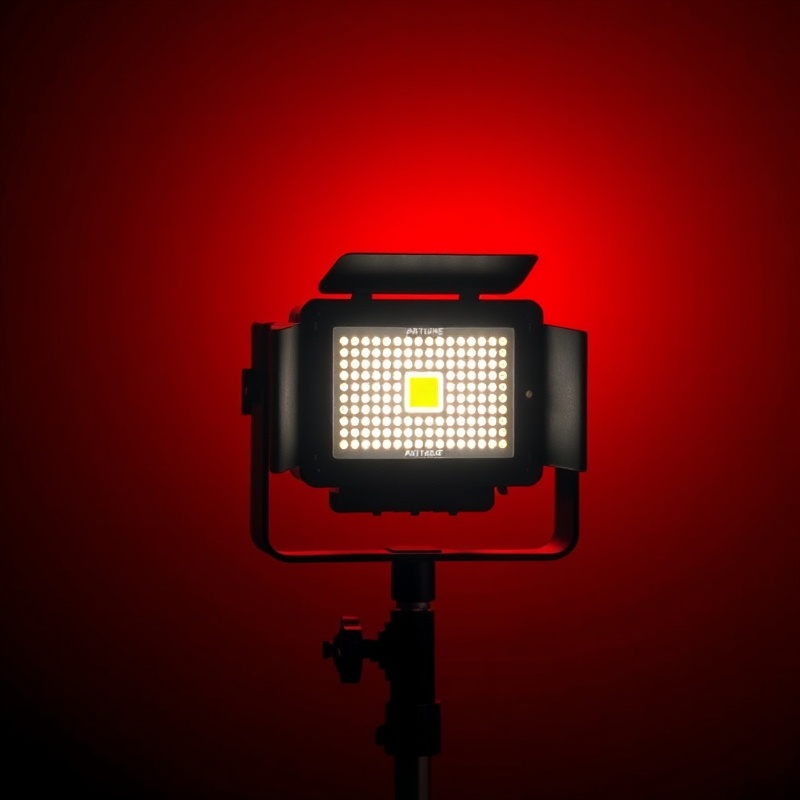
Aputure 300D Mark II LED Video Light
Professional cinematic lighting for dramatic shadows and mood creation.
View on Amazon